
Price note: All prices shown are approximate and subject to change. Amazon pricing fluctuates — always check the current price before purchasing.

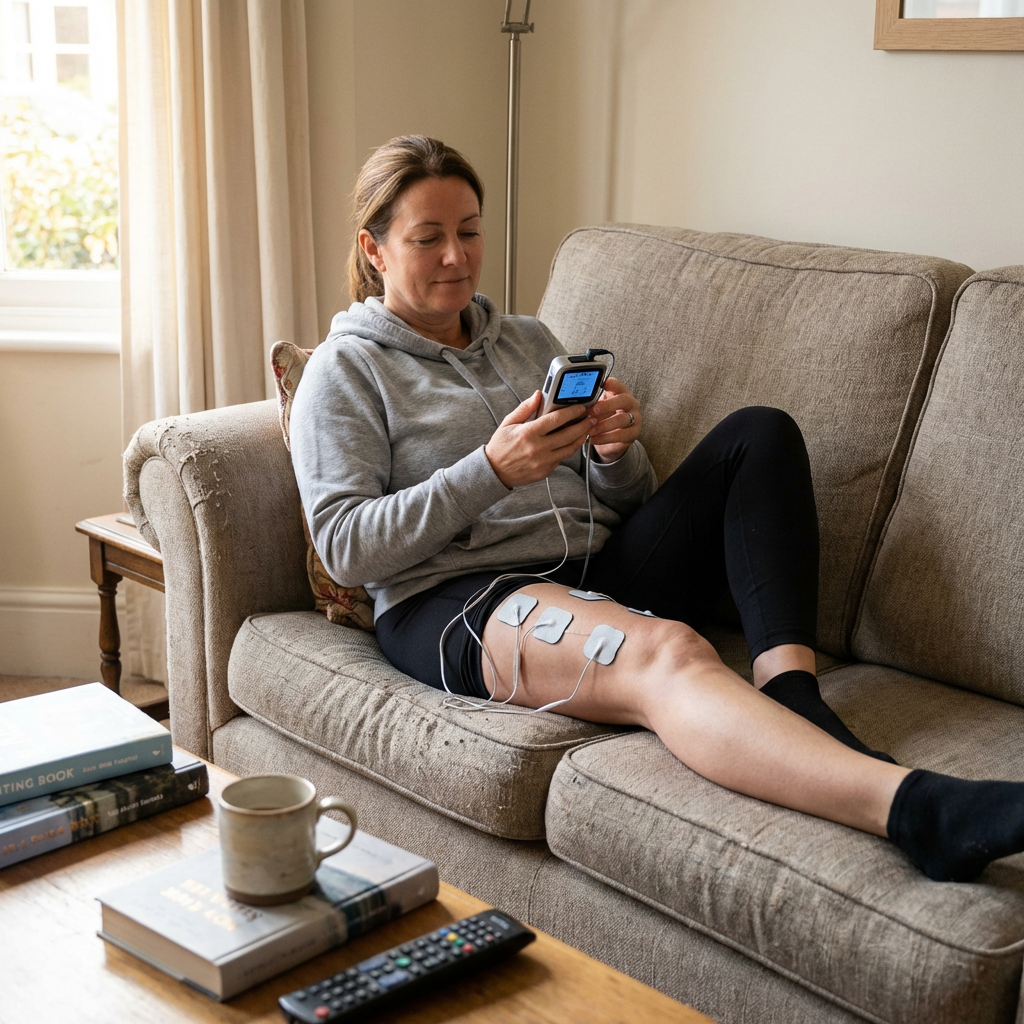
Finding the best TENS unit for pain relief in 2026 can transform the way you manage chronic back pain, sore muscles, and post-workout recovery all without popping pills. Whether you’re recovering from a tough gym session, dealing with sciatica, or managing arthritis, a quality TENS unit is one of the most cost-effective recovery tools you can own.
Frequently Asked Questions
About TENS Units for Pain Relief
Is a TENS unit safe to use at home?
Yes — TENS units are FDA-cleared for over-the-counter use and are generally safe for home use on most muscle pain and soreness. Avoid using TENS units over your heart, on your head or neck, over broken skin, during pregnancy, or if you have a pacemaker or implanted electrical device. When in doubt, consult your healthcare provider before starting TENS therapy.
What is the difference between a TENS unit and an EMS device?
TENS (Transcutaneous Electrical Nerve Stimulation) sends small electrical pulses that block pain signals and stimulate endorphin release — it’s primarily for pain relief. EMS (Electrical Muscle Stimulation) causes actual muscle contractions for rehabilitation, muscle re-education, and recovery. Some devices combine both modes; look for “TENS/EMS combo” if you want both benefits.
Where do I place TENS electrode pads?
Place pads on either side of the pain area (not directly over the spine or joint), or around the muscle belly for muscle pain. Common placements include: lumbar region for back pain, around the knee for knee pain, and on the calf for leg cramps. Pads should never be placed directly over the spine, on the front of the neck, over the eyes, or across the chest between shoulders.
How long should a TENS session last?
A typical TENS session runs 15–30 minutes per area. You can use TENS 2–3 times daily, but give each area at least a 15-minute break between sessions to prevent skin irritation and electrode adhesive breakdown. For chronic pain management, some people use TENS for up to an hour at a time under medical guidance.
Do TENS electrode pads need to be replaced? How long do they last?
Most standard electrode pads last 20–30 uses before losing adhesion. Store pads on their backing liner, away from lint and dust. Applying to clean, dry skin extends pad life. When pads stop sticking reliably, replace them — poor adhesion means inconsistent contact and reduced therapy effectiveness. Replacement pads are affordable and widely available.
Leave a Reply