
How to Fix Bad Posture with Exercise: A Step-by-Step Guide (2026)
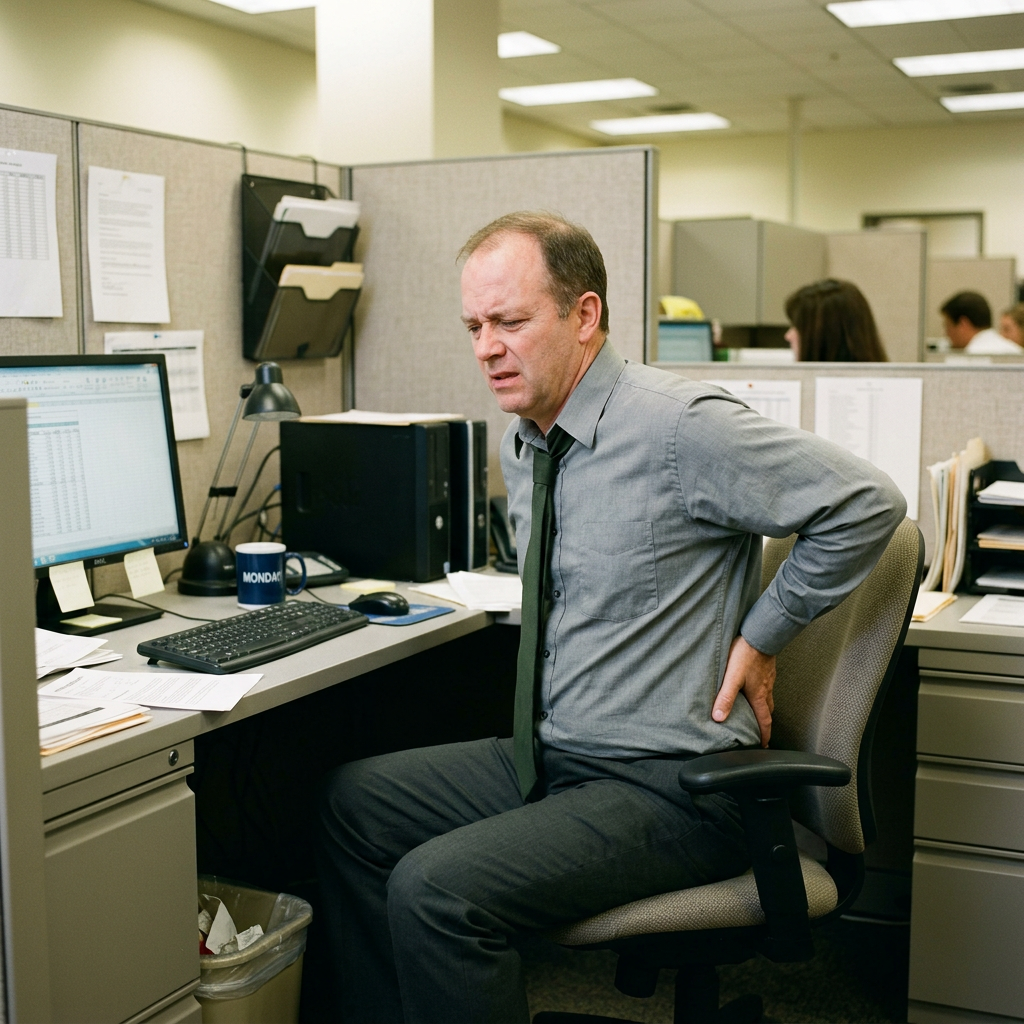
If you spend most of your day sitting at a desk, hunched over a phone, or slouching on a couch, you’re not alone and you’re not stuck. Bad posture is one of the most prevalent physical complaints of the modern era, affecting an estimated 80% of adults at some point in their lives according to Mayo Clinic. Rounded shoulders, forward head position, and an exaggerated lower back curve aren’t just cosmetic issues they cause chronic pain, reduced lung capacity, and long-term joint damage.
The good news is that posture is largely a muscular problem, which means it’s a muscular solution. The muscles that hold you upright your upper back, deep core, glutes, and hip flexors respond to targeted exercise. By strengthening what’s weak and stretching what’s tight, you can meaningfully correct your posture within weeks, not months. This guide walks you through exactly how to do it, step by step.
Whether you’re dealing with tech neck, forward head posture, anterior pelvic tilt, or general slouching, the exercises and habits in this guide apply. No gym required most of these can be done at home with minimal equipment.
Table of Contents
1. What Causes Bad Posture (It’s Not Laziness)
Most people assume bad posture is a willpower issue that they just need to “sit up straight” and try harder. But posture is primarily a structural issue driven by muscle imbalances. When certain muscles are chronically shortened (tight) and their opposing muscles are chronically lengthened (weak), your body naturally falls into misalignment not because you’re not trying, but because your muscular system is pulling you there.
Prolonged sitting is the most common culprit. When you sit for hours, your hip flexors shorten, your glutes become inhibited, your chest tightens, and your upper back muscles stretch out. Over time, these become the default settings your body holds even when you’re standing. Harvard Health notes that this pattern is associated with increased risk of low back pain, neck pain, and even respiratory issues, as a hunched posture compresses the chest and reduces lung volume by up to 30%.
According to ACE Fitness, the key insight is that “corrective exercise” must come before strengthening in many posture programs. If you try to strengthen a muscle that’s being actively inhibited by a tight opposing muscle, you’ll make limited progress.
2. The Four Most Common Posture Problems
Understanding which posture problem you have determines which exercises take priority:
| Posture Problem | What It Looks Like | Primary Cause | Priority Fix |
|---|---|---|---|
| Forward Head Posture | Head juts forward of shoulders (“tech neck”) | Tight neck extensors, weak deep neck flexors | Chin tucks, neck stretches |
| Rounded Shoulders | Shoulders roll forward, chest collapses | Tight chest + pecs, weak rhomboids & lower traps | Chest stretches, face pulls, rows |
| Anterior Pelvic Tilt | Butt sticks out, lower back is excessively arched | Tight hip flexors, weak glutes & core | Hip flexor stretches, glute bridges, planks |
| Upper Crossed Syndrome | Combination of forward head + rounded shoulders | Sitting + screen time compound imbalances | Full corrective protocol (all of the above) |
Most adults have some combination of these, with forward head posture and rounded shoulders being the most universal.
3. Step 1 — Release the Tight Muscles First
Before you strengthen anything, you need to open up the muscles that are pulling your body out of alignment. These stretches should be held for 30–60 seconds each, done daily.
1. Doorway Chest Stretch. Stand in a doorway with both elbows bent at 90 degrees, forearms resting on the door frame. Gently lean forward until you feel a stretch across both sides of your chest. Hold 30–60 seconds. This is the single most important stretch for reversing rounded shoulders.
2. Chin Tuck (Cervical Retraction). Sit or stand tall. Without lifting or dropping your chin, gently pull your head straight back as if making a double chin. Hold for 5 seconds. Repeat 10 times. This corrects forward head posture by strengthening deep cervical flexors.
3. Kneeling Hip Flexor Stretch (90/90). Kneel on one knee with the other foot forward at 90 degrees. Gently push your hips forward until you feel a stretch in the front of the kneeling hip. Hold 45 seconds each side. This is the primary fix for anterior pelvic tilt.
4. Thoracic Spine Extension (Foam Roller). Place a foam roller horizontally under your upper back. With your hands behind your head for neck support, gently extend backward over the roller. Spend 60–90 seconds working through the upper and mid-back. This opens the thoracic spine — the region most restricted by desk posture.
4. Step 2 — Strengthen the Weak Muscles
Once you’ve begun releasing the tight muscles, it’s time to build strength in the muscles that are chronically underactive.
1. Wall Angels — 3 sets × 10 reps. Stand with your back against a wall, feet a few inches out. Place your arms against the wall in a “W” position, then slide them up into a “Y” position overhead, keeping your wrists, elbows, and back of hands touching the wall throughout. This activates the lower trapezius and serratus anterior.
2. Band Pull-Aparts — 3 sets × 15 reps. Hold a resistance band with both hands in front of you at shoulder height. Pull the band apart by squeezing your shoulder blades together, bringing both arms out to your sides. This directly trains the rhomboids and rear deltoids.
3. Glute Bridges — 3 sets × 15 reps. Lie on your back with knees bent. Press through your heels and squeeze your glutes as you lift your hips until your body forms a straight line from knees to shoulders. Hold the top for 2 seconds. Glute bridges directly counteract anterior pelvic tilt.
4. Dead Bug — 3 sets × 8 reps per side. Lie on your back with arms pointing toward the ceiling and knees bent at 90 degrees. Slowly lower your right arm overhead and extend your left leg simultaneously, keeping your lower back pressed into the floor. The dead bug trains the deep core muscles that stabilize the lumbar spine.
5. Superman Hold — 3 sets × 10 reps (3-second hold). Lie face down with arms extended overhead. Simultaneously lift your arms, chest, and legs off the floor, squeezing your glutes and upper back. Hold for 3 seconds, then lower. This works the entire posterior chain.
5. Step 3 — Build Daily Postural Habits
Exercise alone won’t fully fix posture if you spend 8+ hours a day reinforcing poor alignment at your desk.
Desk Setup
Your monitor should be at eye level with your head in a neutral position not tilted down. Your chair should allow your feet to rest flat on the floor with hips at 90 degrees. Elbows should rest comfortably at desk height.
The 30-30 Rule
Set a timer to stand or move briefly every 30 minutes. Even 60 seconds of walking or standing resets the muscle tension pattern that builds from static sitting.
Conscious Cues
The chin tuck and shoulder blade “pinch” are two micro-movements you can do any time, anywhere. Building the habit of performing one or both of these whenever you sit down creates hundreds of postural corrections per day.
6. Your 4-Week Posture Correction Program
| Week | Focus | Training Days | Daily Habits |
|---|---|---|---|
| Week 1 | Mobility first | All 4 stretches × 3 rounds + Chin tucks × 10 | 30-30 rule, desk check |
| Week 2 | Add activation | Stretches + Wall angels, Band pull-aparts, Glute bridges | Chin tucks every hour |
| Week 3 | Full protocol | All stretches + All 5 strengthening exercises | Maintain all habits |
| Week 4 | Increase intensity | Add 1 extra set per exercise; try banded versions | Add mirror check morning & evening |
By the end of week 4, most people notice a measurable reduction in neck/shoulder tension and a more natural upright resting posture.
7. Gear That Supports Posture Training
None of the exercises above require equipment, but a few tools significantly enhance effectiveness. See our roundups: Best Resistance Bands for Beginners 2026, Best Stability Balls for Core Workouts 2026, Best Yoga Mats for Home Workouts 2026, Best Balance Boards for Core Training 2026, Best Suspension Trainers for Home Workouts 2026.
FAQ
Bottom Line: Posture Is a Strength Problem — And Strength Problems Are Solvable
- Start with stretching (Week 1): Tight chest, hip flexors, and neck extensors must be released before strengthening can be effective.
- Strengthen what’s weak (Weeks 2–4): Wall angels, band pull-aparts, glute bridges, dead bugs, and supermans address every major muscle group involved in upright posture.
- Habits beat workouts: Chin tucks every hour, the 30-30 movement rule, and a properly configured desk do more cumulative work than a single exercise session.
Conclusion
Fixing bad posture isn’t about sitting up straighter by sheer willpower — it’s about systematically addressing the muscle imbalances that are physically pulling your body out of alignment. Release the tight muscles, strengthen the weak ones, and build the daily habits that prevent regression. That’s the complete formula, and it works at any age.
Follow the 4-week program above consistently and you’ll notice not just improved posture, but less neck tension, fewer headaches, better breathing, and a more confident physical presence.
As an Amazon Associate we earn from qualifying purchases. We only recommend gear we’ve actually used.
Resistance band set for posture correction
Most posture problems trace to weak upper back. These bands let you do face-pulls, band rows, and external rotations — the 3 movements that fix forward shoulders fastest.
Foam roller for postural release
Tight pecs, lats, and hip flexors pull you into bad posture. 5 minutes of foam rolling these areas before mobility work makes the corrective exercises 2x more effective.
Premium yoga mat for floor mobility work
You can’t fix posture in 6 weeks of work — you fix it with 6 months of daily practice. A quality mat makes that practice happen because you’ll actually use it.
Leave a Reply